The art of cooking
AI CHEF Blog

Essential Kitchen Tools: How to Choose the Right Ones

The kitchen is often referred to as the heart of the home. It’s where families gather, meals are prepared, and memories are made. To make the most of your culinary adventures, having the right kitchen tools is essential. But with so many options available, how do you choose the right ones? In this guide, we’ll explore the essential kitchen tools every cook should consider and tips on selecting the ones that suit your cooking style.
1. Understanding Your Cooking Style
Before diving into the list of essential kitchen tools, it’s important to understand your cooking style. Are you a novice cook, a busy parent, a health-conscious eater, or a gourmet chef? Your culinary habits will influence the types of tools you need.
For instance, if you enjoy baking, you’ll need different tools compared to someone who prefers grilling or stir-frying. Take some time to reflect on the types of meals you most enjoy preparing and eating. This self-assessment will help you prioritize which tools are essential for your kitchen.
2. Basic Kitchen Tools
Regardless of your cooking style, there are basic kitchen tools that are essential for any kitchen. Here’s a breakdown of these must-have items:
Cutting Tools
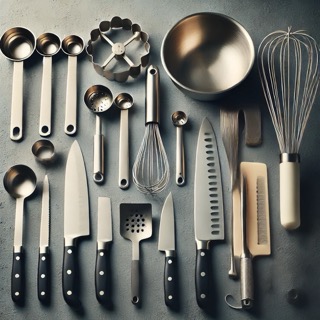
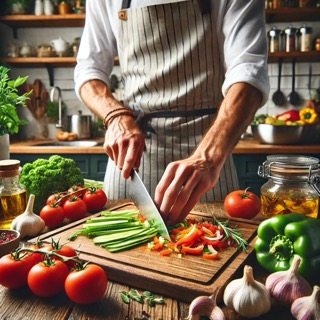
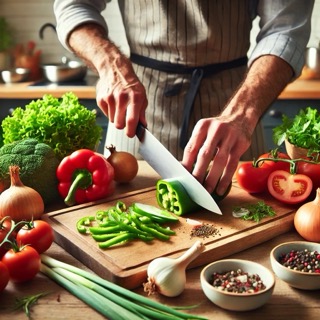
- Chef's Knife: A versatile and essential tool for chopping, slicing, and dicing. Invest in a high-quality chef's knife that feels comfortable in your hand.
- Paring Knife: Perfect for intricate cutting tasks, such as peeling fruits and vegetables.
- Cutting Board: A sturdy cutting board provides a safe surface for food preparation. Consider having separate boards for meats and vegetables to avoid cross-contamination.
Measuring Tools
- Measuring Cups: Essential for accurate ingredient measurements, especially in baking.
- Measuring Spoons: Useful for measuring small amounts of ingredients, such as spices and baking powder.
- Kitchen Scale: A digital kitchen scale is invaluable for precise measurements, particularly in baking.
Cooking Equipment
- Cookware: Invest in a good set of pots and pans, including non-stick, stainless steel, and cast iron options.
- Baking Sheets: Essential for baking cookies, roasting vegetables, and more.
- Mixing Bowls: A set of nesting mixing bowls in various sizes is a must for mixing ingredients.
3. Specialty Tools for Advanced Cooking
Once you have the basics covered, you may want to explore specialty kitchen tools that can elevate your cooking. Here are some options to consider:
Food Processor
A food processor can save you time and effort in the kitchen. It’s great for chopping vegetables, making sauces, and even kneading dough. Choose a model with multiple attachments for added versatility.
Blender
A high-quality blender is essential for smoothies, soups, and sauces. If you plan to make nut butters or frozen drinks regularly, consider a high-powered blender that can handle tough ingredients.
Instant Pot or Slow Cooker
These appliances are perfect for busy individuals. An Instant Pot allows for quick cooking, while a slow cooker is ideal for set-it-and-forget-it meals. Both can expand your cooking repertoire significantly.
Mandoline Slicer
This handy tool allows you to create uniform slices of fruits and vegetables quickly. It’s especially useful for salads and garnishes.
4. Choosing Quality Kitchen Tools
When selecting kitchen tools, quality should be your top priority. Here are some tips to ensure you choose long-lasting and effective tools:
Research Brands
Look for reputable brands known for their durability and performance. Read reviews and ask for recommendations from friends or culinary experts.
Material Matters
The material of your kitchen tools can affect their performance and longevity. For instance, stainless steel is a popular choice for cookware because it’s durable and resistant to rust. Silicone utensils are heat-resistant and non-stick, making them ideal for various cooking tasks.
Comfort and Ergonomics
When it comes to knives, handles should feel comfortable and provide a secure grip. Test out tools in-store, if possible, to find what feels best in your hands.
Look for Versatility
Choose tools that can serve multiple purposes. For example, a cast-iron skillet can be used for frying, baking, and even serving. This allows you to save space in your kitchen.
5. Maintaining Your Kitchen Tools
Once you've invested in quality kitchen tools, proper maintenance is key to ensuring their longevity. Here are some tips to keep your tools in top shape:
Cleaning
Follow the manufacturer’s instructions for cleaning. Some tools may be dishwasher safe, while others need to be hand-washed to avoid damage.
Storage
Store your tools properly to prevent damage. Knives should be kept in a knife block or magnetic strip, while pots and pans should be stacked carefully to avoid scratches.
Regular Inspections
Check your tools regularly for signs of wear and tear. Replace any tools that are damaged or no longer function effectively.
Conclusion
Choosing the right kitchen tools is an essential step toward becoming a successful cook. By understanding your cooking style, investing in quality tools, and maintaining them properly, you can create a kitchen that inspires culinary creativity. Remember that the best tools are those that make cooking easier, more enjoyable, and help you create delicious meals for yourself and your loved ones.
So, whether you’re a novice looking to equip your first kitchen or a seasoned chef refining your collection, take the time to choose wisely. Happy cooking!