The art of cooking
AI CHEF Blog

Knife Skills for the Everyday Cook: Tips for Chopping, Slicing, and Dicing

Cooking can be an incredibly rewarding experience, but it can also be daunting, especially for beginners. One of the most essential skills in the kitchen is mastering knife techniques. Good knife skills not only make food preparation easier and more efficient, but they also enhance the presentation of your dishes. In this blog post, we will explore the fundamental knife skills every everyday cook should know, including tips for chopping, slicing, and dicing.
Understanding Your Knives
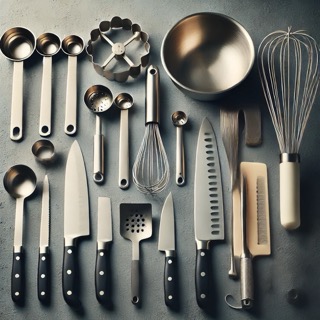
Before diving into specific techniques, it's important to familiarize yourself with the different types of knives and their purposes. Here are a few common kitchen knives:
- Chef's Knife: The workhorse of the kitchen, a chef's knife is versatile and can be used for a variety of tasks, such as chopping, slicing, and dicing.
- Paring Knife: A small knife used for delicate tasks like peeling and trimming.
- Serrated Knife: Ideal for cutting bread or soft fruits, as its saw-like edge allows for a clean slice without crushing.
- Boning Knife: A thin, flexible knife used for removing bones from meat and fish.
- Utility Knife: A mid-sized knife that is great for various tasks, often used for cutting sandwiches or fruits.
Knife Safety First
Before you start chopping away, it’s crucial to prioritize safety. Here are some essential safety tips:
- Always use a sharp knife. Dull knives can slip and cause accidents.
- Keep your fingers tucked in and use the tip of your fingers as a guide when chopping.
- Cut on a stable surface. A cutting board is essential to prevent slipping.
- Never try to catch a falling knife.
- Store knives properly, either in a knife block or with blade guards to prevent accidents.
Chopping Techniques
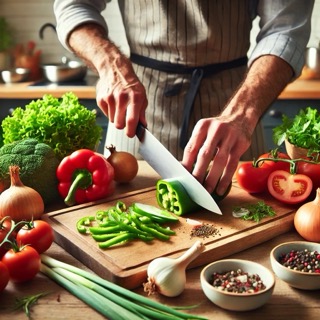
Chopping involves cutting food into pieces, typically larger than diced pieces. Here’s how to chop effectively:
- Choose Your Knife: For most chopping tasks, a chef's knife is ideal.
- Prepare Your Ingredients: Wash and peel your vegetables or herbs as necessary.
- Positioning: Place the ingredient on your cutting board. For leafy greens, stack them neatly.
- Grip: Hold the knife with a firm grip, using the pinch grip (pinching the blade with your thumb and index finger while wrapping your other fingers around the handle).
- Chopping Motion: Use a rocking motion, keeping the tip of the knife on the board while lifting the handle up and down.
Chopping Example: Herbs
To chop herbs like parsley:
- Gather the leaves in a pile and place them on the board.
- Use your non-dominant hand to hold the herbs down while you chop with your dominant hand.
- Continue to chop until you achieve the desired fineness.
Slicing Techniques
Slicing is a technique used to cut food into thin pieces, which is essential for meats, fruits, and vegetables. Here’s how to slice properly:
- Choose the Right Knife: A chef's knife or a serrated knife works well for slicing.
- Stabilize the Food: Use your hand to hold the food in place, with your fingers tucked in.
- Use Smooth, Even Strokes: Slice with a smooth motion, applying even pressure to create consistent thickness.
Slicing Example: Tomatoes
To slice tomatoes:
- Use a serrated knife for best results.
- Start at the stem and slice downwards, applying gentle pressure to avoid squishing the tomato.
Dicing Techniques
Dicing involves cutting food into small, uniform cubes. This technique is often used for vegetables in soups, salads, and stir-fries. Here’s how to dice:
- Choose Your Knife: A chef's knife is perfect for dicing.
- Cut into Strips: Start by slicing the ingredient into even strips.
- Turn and Slice Again: Rotate the strips 90 degrees and slice again to create cubes.
Dicing Example: Onions
To dice an onion:
- Cut the onion in half from root to tip and peel off the skin.
- Make horizontal cuts towards the root (but not cutting through it).
- Follow with vertical cuts, then slice downwards for uniform cubes.
Practice Makes Perfect
Like any skill, mastering knife techniques takes practice. Here are a few tips to improve your knife skills:
- Start slow. Focus on your technique rather than speed.
- Practice with different ingredients to gain confidence.
- Watch tutorials or take a cooking class to learn from professionals.
- Keep your knives sharp and well-maintained for optimal performance.
Conclusion
Good knife skills are an essential part of cooking that will not only make your preparation faster but also elevate your culinary creations. By practicing the techniques for chopping, slicing, and dicing, you'll become more comfortable in the kitchen and improve your overall cooking experience. Remember, safety comes first, and with time, you'll develop the confidence to handle your knives with ease. Happy cooking!