The art of cooking
AI CHEF Blog

Knife Skills for Culinary Enthusiasts: Your Guide to Chop, Slice, and Dice

Welcome to the exciting world of culinary arts! Whether you’re an aspiring chef or a home cook looking to elevate your skills, mastering knife techniques is essential. Proper knife skills not only enhance your cooking efficiency but also improve the presentation of your dishes. In this comprehensive guide, we will cover the fundamental knife skills every culinary enthusiast should know, including how to chop, slice, and dice.
The Importance of Knife Skills
Knife skills are the backbone of any culinary endeavor. A well-prepared ingredient can significantly impact the flavor and texture of your dish. Additionally, having confidence in your knife skills can make the cooking process more enjoyable and less intimidating. With practice, you can enhance your speed, precision, and safety in the kitchen.
Choosing the Right Knife
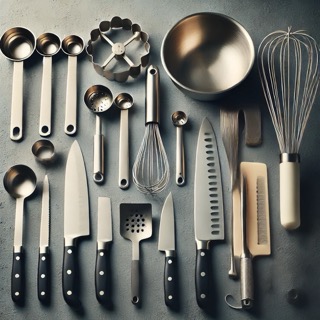
Before diving into techniques, it’s important to choose the right knife for your culinary tasks. Here are some essential knives every kitchen should have:
- Chef's Knife: This versatile knife is ideal for chopping, slicing, and dicing various ingredients.
- Paring Knife: Perfect for peeling fruits and vegetables and intricate tasks.
- Serrated Knife: Best for cutting bread and soft items like tomatoes.
- Boning Knife: Useful for trimming meat and fish.
Investing in quality knives will enhance your cooking experience. Remember to keep your knives sharp, as a dull knife can lead to accidents and uneven cuts.
Essential Knife Techniques
Now that you have the right tools, let’s explore the essential knife techniques that every culinary enthusiast should master.
1. The Claw Grip
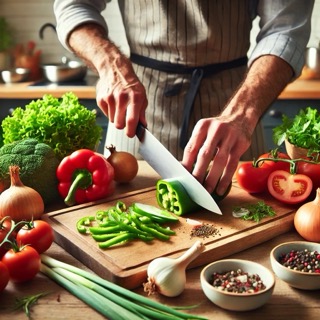
The claw grip is a fundamental technique that ensures safety while cutting. To perform the claw grip:
- Place your dominant hand on the ingredient with fingers curled inward, resembling a claw.
- Position your fingertips away from the blade to prevent accidental cuts.
- Use your other hand to guide the knife, keeping it steady.
Practicing this grip will help you feel more secure while working with sharp knives.
2. Chopping
Chopping is a basic technique used for cutting vegetables into small pieces. Here’s how to chop effectively:
- Secure the ingredient with your claw grip.
- Using a chef’s knife, position the blade at the top of the ingredient.
- Apply downward pressure while rocking the knife back and forth.
- Continue chopping until you reach the desired size.
Chopping is ideal for ingredients like onions, garlic, and herbs.
3. Slicing
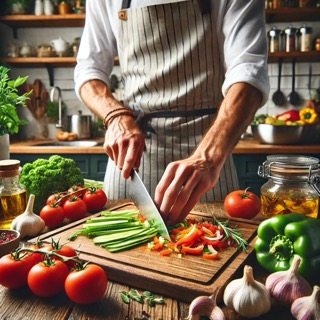
Slicing involves cutting ingredients into thin, even pieces. This technique is often used for meats and vegetables. To slice:
- Place the ingredient on a cutting board, ensuring it’s stable.
- With your claw grip, hold the ingredient steady.
- Use a smooth, even motion to draw the knife through the ingredient, applying gentle pressure.
Slicing is perfect for creating uniform pieces that cook evenly.
4. Dicing
Dicing involves cutting ingredients into small, uniform cubes. This technique is essential for salads, soups, and stews. Here’s how to dice:
- Start by slicing the ingredient into even strips.
- Then, turn the strips and cut them into small cubes.
- Maintain a consistent size for even cooking.
Common ingredients to dice include onions, bell peppers, and potatoes.
Knife Safety Tips
Safety is paramount when working with knives. Here are some essential safety tips to keep in mind:
- Always use a cutting board to protect your countertops and keep the knife stable.
- Keep your knives sharp; dull knives are more dangerous.
- Never try to catch a falling knife.
- Wash knives carefully, avoiding the blade while cleaning.
By following these safety tips, you can minimize the risk of accidents in the kitchen.
Maintaining Your Knives
Proper knife maintenance is crucial for their longevity and performance. Here are some tips for maintaining your knives:
- Sharpen Regularly: Use a whetstone or honing rod to keep your knives sharp.
- Hand Wash: Always hand wash your knives and dry them immediately to prevent rust.
- Store Properly: Use a knife block or magnetic strip to store your knives safely.
Investing time in maintaining your knives will pay off in the long run.
Conclusion
Mastering knife skills is an essential part of becoming a confident culinary enthusiast. By practicing the techniques of chopping, slicing, and dicing, you’ll not only enhance your cooking efficiency but also elevate the quality of your dishes. Remember to prioritize safety, choose the right knives, and maintain them properly for the best results. Happy cooking!