The art of cooking
AI CHEF Blog

The Art of Baking: Bread Traditions from Different Cultures

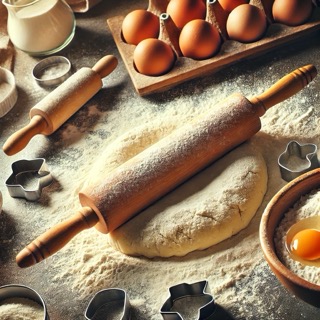
Baking is not only a culinary skill but also an art form that has been passed down through generations. One of the most cherished forms of baking is bread-making, a practice that transcends borders and cultures. Bread serves as a staple food in many societies and often holds significant cultural and historical importance. In this blog post, we will explore the diverse bread traditions from around the world, highlighting unique recipes, techniques, and the stories behind them.
The Significance of Bread in Different Cultures
Bread is often referred to as the 'staff of life' for a reason. It has been a vital source of sustenance throughout human history, symbolizing nourishment and community. Different cultures have their own unique methods of bread-making, reflecting their local ingredients, climate, and culinary practices. From flatbreads to sourdough, let's take a journey through some of the most remarkable bread traditions across the globe.
1. French Baguette: A Symbol of France
The baguette is perhaps one of the most iconic types of bread, known for its long, thin shape and crispy crust. Originating in France, this bread is made with just four simple ingredients: flour, water, yeast, and salt. The art of baguette-making lies in the fermentation process, where the dough is allowed to rise slowly, enhancing its flavor and texture.
In France, the baguette is not just food; it is a part of daily life. Bakeries, or 'boulangeries,' can be found on nearly every street corner, and the ritual of buying a fresh baguette is ingrained in French culture. Traditionally, a fresh baguette is enjoyed with cheese, pâté, or simply with butter, making it a versatile companion for any meal.
2. Indian Naan: A Soft and Pillowy Delight
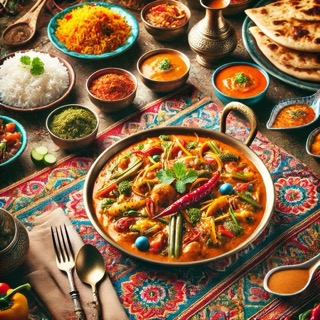
In India, naan is a type of leavened bread that is traditionally cooked in a tandoor, a clay oven. This bread is made with all-purpose flour, yogurt, and yeast, giving it a soft and chewy texture. Naan is often served with various curries and gravies, making it an essential part of Indian cuisine.
The preparation of naan can be quite an experience. The dough is kneaded, shaped, and then slapped onto the walls of the tandoor, where it puffs up and develops a unique charred flavor. Variations of naan include garlic naan, stuffed naan with cheese or vegetables, and even sweet versions with dried fruits.
3. Mexican Tortillas: The Heart of Mexican Cuisine
Tortillas are a staple in Mexican cuisine, made from either corn or wheat flour. Corn tortillas have been a part of Mexican culture for thousands of years, while flour tortillas became popular in the northern regions of Mexico. The process of making tortillas involves soaking corn in lime water, grinding it into masa, and then shaping and cooking it on a hot griddle.
Tortillas serve as the base for countless Mexican dishes, from tacos to enchiladas. They are not only a source of sustenance but also a symbol of family and tradition, often made fresh at home and shared during meals.
4. Italian Focaccia: A Flavorful Flatbread
Focaccia is a flat oven-baked Italian bread that is often seasoned with olive oil, salt, and various toppings such as herbs, olives, or tomatoes. This bread is known for its rich flavor and soft, airy texture. The art of making focaccia lies in the dough’s hydration and the way it is shaped and baked.
Traditionally, focaccia is served as an appetizer or side dish, and it's common to find it in Italian homes and restaurants. The versatility of focaccia allows it to be enjoyed in various forms, from sandwiches to snacks.
5. Ethiopian Injera: The Spongy Staple
Injera is a unique sourdough flatbread made from teff flour, a staple in Ethiopian cuisine. The bread has a spongy texture and is characterized by its slightly sour taste, which comes from the fermentation process. Injera is traditionally used as both a plate and an eating utensil, as it is used to scoop up stews and salads.
The preparation of injera is a labor-intensive process, requiring the dough to ferment for several days before cooking it on a large, flat skillet. The result is a nutritious and flavorful bread that is a central part of Ethiopian meals, often shared among family and friends.
6. Middle Eastern Pita: The Pocket Bread
Pita bread is a staple in Middle Eastern cuisine, known for its unique pocket that can be filled with various ingredients. Made from simple ingredients like flour, water, and yeast, pita is typically baked at high temperatures, causing it to puff up and create the pocket.
Pita is often served with hummus, falafel, or shawarma, making it a versatile bread for numerous dishes. The communal aspect of sharing pita during meals reinforces the importance of bread in Middle Eastern cultures.
7. Russian Borodinsky Bread: A Rye Favorite
Borodinsky bread is a traditional Russian rye bread, known for its dark color and rich flavor. It is made with a combination of rye flour, wheat flour, and malt, giving it a slightly sweet taste. This bread is often enjoyed with butter, cheese, or cured meats and is a staple during holidays and special occasions.
The process of making Borodinsky bread involves a long fermentation period, which enhances its flavor and texture. This bread is often associated with Russian hospitality, and it is common to see it served at family gatherings.
Conclusion
Bread is more than just food; it is a reflection of culture, history, and tradition. Each type of bread tells a story, connecting people to their heritage and community. As we explore the art of baking from different cultures, we gain a deeper appreciation for the craftsmanship that goes into each loaf.
Whether it's the crispy baguette of France, the soft naan of India, or the spongy injera of Ethiopia, each bread variety has its own unique characteristics and flavors that contribute to the rich tapestry of global cuisine. The next time you enjoy a slice of bread, take a moment to appreciate the traditions and cultures that have shaped it through the ages. Happy baking!