The art of cooking
AI CHEF Blog

Meal Planning for Sustainability: How to Reduce Waste While Eating Well

In a world where food waste is a growing concern, meal planning has emerged as a powerful tool for promoting sustainability. Not only does it help us save money and time, but it also plays a crucial role in reducing waste, making it an essential practice for anyone looking to eat well while being environmentally conscious. In this blog post, we will explore effective strategies for meal planning that emphasize sustainability and share tips on how to reduce food waste in your daily life.
The Importance of Meal Planning
Meal planning involves preparing a menu for upcoming meals and organizing grocery shopping accordingly. This practice has several benefits:
- Reduces Food Waste: By planning meals, you can purchase only what you need, minimizing excess food that might go uneaten and end up in landfills.
- Saves Time and Money: A well-thought-out meal plan helps streamline grocery shopping and cooking, saving both time and money.
- Promotes Healthier Eating: Planning meals ahead allows you to make healthier food choices, ensuring balanced nutrition.
Understanding Food Waste
Before diving into meal planning strategies, it’s essential to understand the issue of food waste. According to the Food and Agriculture Organization (FAO), approximately one-third of all food produced globally is wasted. This waste not only represents a significant loss of resources but also contributes to greenhouse gas emissions as discarded food decomposes in landfills.
Incorporating sustainability into our eating habits can significantly reduce this waste. By being more intentional with our food choices and planning our meals, we can contribute to a more sustainable food system.
Effective Meal Planning Strategies
Here are some practical strategies to help you plan meals sustainably:
1. Assess Your Inventory
Before creating a meal plan, take stock of what you already have in your pantry and fridge. This assessment will help you use up ingredients that are nearing their expiration date, reducing waste.
2. Create a Flexible Menu
While it’s essential to have a plan, flexibility is key. Create a menu that allows for substitutions and variations based on what you have on hand. This adaptability can help you use ingredients before they spoil.
3. Embrace Batch Cooking
Batch cooking involves preparing larger portions of meals that can be divided into individual servings. This method not only saves time but also ensures that food is consumed rather than wasted. Soups, stews, and casseroles are great candidates for batch cooking.
4. Plan for Leftovers
When planning your meals, consider how to incorporate leftovers into future meals. For example, roasted vegetables can be added to salads or used as a filling for wraps. This approach maximizes the use of all ingredients and minimizes waste.
5. Use Seasonal and Local Ingredients
Buying seasonal produce not only supports local farmers but also reduces the carbon footprint associated with transporting food long distances. Incorporate seasonal fruits and vegetables into your meal planning to enjoy fresh, flavorful ingredients while promoting sustainability.
6. Invest in Proper Storage
Proper food storage is essential to prolonging the life of your groceries. Invest in airtight containers, reusable bags, and freezer-safe options to keep your food fresh longer. Label items with expiration dates to ensure you use them in a timely manner.
7. Grow Your Own Herbs and Vegetables
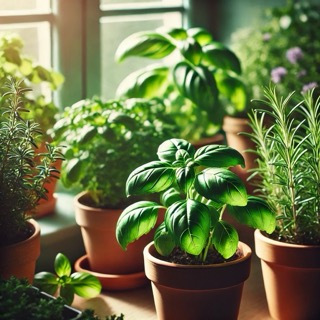
If you have the space, consider growing your own herbs and vegetables. This practice not only reduces your reliance on store-bought produce but also minimizes packaging waste. Even small indoor herb gardens can make a difference.
Reducing Waste in the Kitchen
In addition to meal planning, there are several ways to reduce waste in the kitchen:
1. Composting
Composting is an effective way to reduce food waste. Instead of throwing away vegetable scraps, peels, and other organic waste, create a compost pile or use a compost bin. This process creates nutrient-rich soil that can be used for gardening.
2. Creative Use of Scraps
Instead of discarding vegetable scraps, consider using them to make homemade vegetable broth. Save onion peels, carrot tops, and celery ends in a freezer bag until you have enough to simmer for a flavorful broth.
3. Educate Yourself on Expiration Dates
Understanding the difference between “sell by,” “use by,” and “best before” dates can help you make informed decisions about food safety. Many items are still safe to eat after these dates, so be sure to trust your senses and use your judgment.
4. Portion Control
Serving appropriate portion sizes can help prevent uneaten food from being wasted. Consider using smaller plates or bowls to help control serving sizes and encourage mindful eating.
Conclusion
Meal planning for sustainability is not just about reducing waste; it’s about creating a more mindful approach to how we consume food. By being intentional with our meal choices, embracing local and seasonal ingredients, and minimizing waste in the kitchen, we can contribute to a healthier planet while enjoying delicious and nourishing meals.
Start small by implementing one or two of these strategies into your weekly routine and gradually build from there. With a commitment to sustainability, we can all make a difference in reducing food waste and promoting a greener future.