The art of cooking
AI CHEF Blog

How to Build a Budget-Friendly Recipe Collection

In today’s fast-paced world, many of us are looking for ways to save money while still enjoying delicious meals. One of the best ways to do this is by building your own budget-friendly recipe collection. This blog post will guide you through the process of creating a treasure trove of economical yet tasty recipes that you can turn to time and again. From gathering resources to organizing your recipes, we’ll cover everything you need to know!
1. Start with What You Have
Before you dive into searching for new recipes, take a good look at what you already have in your pantry and fridge. Make a list of ingredients that you regularly use, as well as any items that might be nearing their expiration dates. This will help you to utilize what you already have and minimize food waste.
2. Explore Budget-Friendly Recipe Resources
There are numerous resources available for budget-friendly recipes. Here are a few you can explore:
- Cookbooks: Look for cookbooks specifically focused on budget cooking. Some popular titles include "The Budget-Friendly Vegan" and "Good and Cheap" by Leanne Brown.
- Websites and Blogs: There are countless food blogs dedicated to budget cooking, such as Budget Bytes and Cheap Eats. These often include cost breakdowns for each recipe.
- Social Media: Follow food influencers on platforms like Instagram and TikTok who focus on budget-friendly meals.
- Community Resources: Check your local library or community center for cooking classes or workshops that may provide budget cooking tips.
3. Seek Out Simple and Versatile Recipes
When building your collection, look for recipes that are simple and can be adapted based on what you have on hand. For instance, a stir-fry recipe can be made with any combination of vegetables and proteins you have. Here are some ideas for versatile recipe categories:
- Soups and Stews: These are great for using up leftover vegetables and meats.
- Pasta Dishes: Pasta can be paired with a variety of sauces and add-ins.
- One-Pan Meals: These minimize clean-up time and allow you to combine grains, proteins, and vegetables.
- Casseroles: These are perfect for using up ingredients and can easily be adjusted to suit your taste.
4. Create a System for Organizing Your Recipes
Having a well-organized collection will make it easier for you to find and use your recipes. Here are some tips for organizing your collection:
- Digital or Physical: Decide whether you want a digital collection (using apps like Evernote or Google Docs) or a physical one (using a binder or recipe box).
- Categorize: Organize your recipes into categories such as breakfast, lunch, dinner, snacks, and desserts.
- Labeling: Clearly label each recipe with the main ingredients and cooking time for easy reference.
- Personal Notes: Include notes on any modifications you make or your personal ratings of the recipe.
5. Take Advantage of Seasonal and Local Ingredients
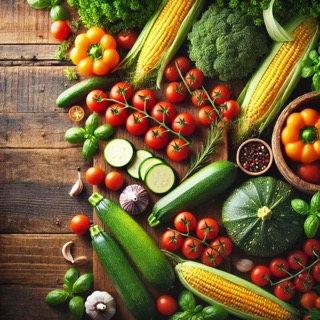
Using seasonal and local ingredients can significantly cut down your grocery costs. Visit local farmers' markets or embrace grocery store sales to find fresh produce at lower prices. Here are some tips for incorporating seasonal ingredients:
- Plan Your Meals Around Sales: Check weekly ads for your grocery store to see what’s on sale and plan meals accordingly.
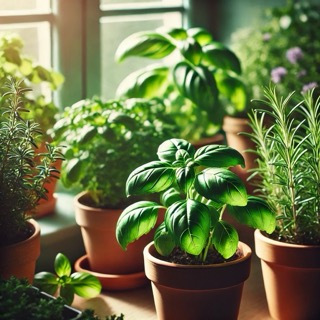
- Grow Your Own: If you have the space and time, consider growing a small herb or vegetable garden.
- Preserve Seasonal Items: Learn to can or freeze seasonal produce for use throughout the year.
6. Make Use of Leftovers
Leftovers can be a great way to stretch your budget. Instead of tossing leftover ingredients, find creative ways to incorporate them into new meals. Here are some ideas:
- Repurpose Leftovers: Use leftover roasted chicken in a salad, soup, or sandwich.
- Batch Cooking: Prepare large quantities of meals that can be frozen and reheated later.
- Mix and Match: Combine leftover sides or proteins with new ones to create a brand new dish.
7. Share Recipes with Friends and Family
Don’t underestimate the power of community. Sharing budget-friendly recipes with friends and family can lead to new ideas and inspiration. You can host a potluck where everyone brings a dish made from their favorite budget-friendly recipe or create a recipe-sharing group online. This can also be a fun way to try new meals without overspending.
8. Keep It Fun and Experiment
Building a recipe collection should be enjoyable! Don’t be afraid to experiment with new ingredients and techniques. Challenge yourself to try a new recipe each week or incorporate a cuisine you’re not familiar with. This will keep your meals exciting and may lead you to discover new favorites.
9. Document Your Progress
As you build your recipe collection, consider documenting your progress. This could be in the form of a cooking journal where you note down recipes you’ve tried, what worked, and what didn’t. Consider taking photos of your meals to track your culinary journey. This will not only help you remember what you loved but also provide a sense of accomplishment.
10. Review and Revise Your Collection Regularly
Lastly, make it a habit to review your recipe collection periodically. Remove recipes that you no longer enjoy or that didn’t work out. Add new favorites to keep things fresh. This will help ensure that your collection remains relevant and useful, allowing you to enjoy cooking without breaking the bank.
Conclusion
Building a budget-friendly recipe collection doesn’t have to be daunting. By starting with what you have, exploring various resources, and keeping things organized and fun, you can create a treasure trove of delicious meals that won’t strain your wallet. Remember, the key is to be flexible, resourceful, and open to experimentation. Happy cooking!