The art of cooking
AI CHEF Blog

Mastering Food Pairing: A Beginner's Guide

Food pairing is an art and a science that can elevate your culinary creations, enhance your dining experiences, and even spark your creativity in the kitchen. Whether you're a home cook, a professional chef, or just someone who loves to eat, understanding the principles of food pairing can help you create dishes that are not only delicious but also harmonious and balanced. In this beginner's guide, we will explore the fundamentals of food pairing, the science behind it, and practical tips to get you started.
What is Food Pairing?
Food pairing refers to the practice of combining different ingredients in a way that enhances their flavors and textures. It's about understanding how certain foods complement each other, creating a more enjoyable eating experience. This concept can apply to various aspects of cooking, from pairing ingredients in a single dish to selecting complementary foods for a multi-course meal.
The Science Behind Food Pairing
At its core, food pairing is based on the idea of flavor compounds. Every food contains specific compounds that contribute to its flavor profile. When two or more foods share similar compounds, they are more likely to pair well together. This scientific approach to food pairing has gained popularity in recent years, with chefs and food enthusiasts using it to create exciting and innovative dishes.
Flavor Compounds
Flavor compounds can be categorized into several groups, including:
- Sweet: Sugars and sweeteners found in fruits, honey, and certain vegetables.
- Sour: Acidity found in citrus fruits, vinegar, and fermented foods.
- Salty: Salts present in various foods, including meats, cheeses, and condiments.
- Bitter: Compounds found in coffee, dark chocolate, and certain vegetables like kale.
- Umami: The savory taste found in tomatoes, mushrooms, soy sauce, and aged cheeses.
By understanding these flavor profiles, you can begin to experiment with different food combinations that enhance your dishes.
Basic Principles of Food Pairing
Here are some fundamental principles to keep in mind when it comes to food pairing:
1. Balance
Creating balance in your dishes is essential. This involves considering the contrast between flavors, textures, and temperatures. For example, pairing a rich, creamy sauce with a crisp, fresh salad can create a delightful contrast that enhances the overall meal.
2. Similar Flavors
Pairing foods with similar flavor profiles can create harmony in your dishes. For instance, combining fruits with similar sweetness levels, like strawberries and raspberries, can enhance the overall fruit flavor.
3. Complementary Textures
Texture is just as important as flavor when it comes to food pairing. Combining crunchy, creamy, chewy, and tender elements can create a more interesting and satisfying dish. Think of a crunchy breadcrumb topping on creamy mac and cheese or a tender piece of grilled chicken with a crispy skin.
4. Seasonal Ingredients
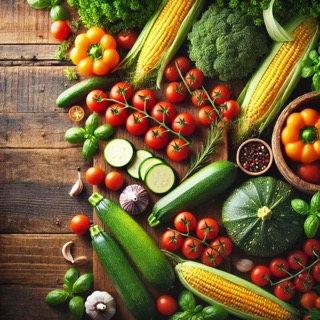
Using seasonal ingredients can enhance the flavors in your dishes. Foods that grow together in the same season often pair well together. For example, tomatoes and basil in the summer or pumpkin and sage in the fall.
5. Cultural Pairings
Different cultures have their unique food pairings based on tradition and history. Exploring these pairings can inspire you to try new combinations. For instance, you might consider the classic pairing of pasta and tomato sauce from Italian cuisine or the combination of rice and beans in Latin American dishes.
Practical Tips for Food Pairing
Now that we've covered the basics, let's delve into some practical tips to help you master food pairing:
1. Start with What You Know
Begin by experimenting with ingredients that you are already familiar with. Try pairing different fruits, vegetables, proteins, and grains that you enjoy. This will help you build your confidence in combining flavors.
2. Use Flavor Pairing Tools
There are several resources available, such as flavor pairing charts and apps, that can help you discover new combinations. These tools can provide insights into which foods share flavor compounds.
3. Experiment with Herbs and Spices
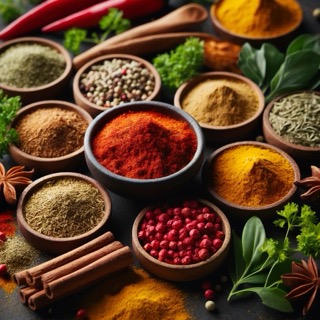
Herbs and spices can drastically change the flavor profile of a dish. Experiment with different combinations to see how they enhance the main ingredients. For example, try pairing cilantro with lime and avocado for a fresh, vibrant flavor.
4. Taste as You Go
Tasting your dishes throughout the cooking process is crucial. It allows you to adjust flavors and ensure that the final dish is balanced and harmonious. Don't be afraid to make adjustments as needed.
5. Keep a Food Journal
Documenting your experiments can help you remember which combinations worked well and which didn’t. Over time, you'll develop a better understanding of flavor profiles and how to create successful pairings.
Some Classic Food Pairings to Try
If you're unsure where to start, here are a few classic food pairings that are sure to please:
- Cheese and Wine: The combination of cheese and wine is a timeless classic. Experiment with different cheeses and wines to find your favorite pairings.
- Chocolate and Coffee: The rich flavors of chocolate and coffee complement each other beautifully, making them a perfect pairing for desserts.
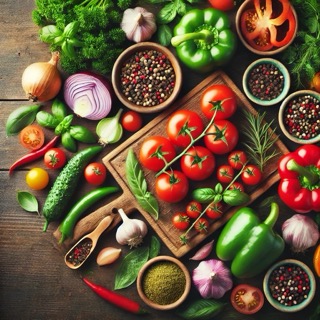
- Tomato and Basil: This classic Italian pairing is fresh, vibrant, and perfect for salads, sauces, and pizzas.
- Pork and Apples: The sweetness of apples complements the savory flavors of pork, creating a delicious contrast.
- Mint and Lamb: The freshness of mint enhances the rich flavor of lamb, making it a popular pairing in Mediterranean cuisine.
Conclusion
Mastering food pairing is a journey that requires practice, experimentation, and a willingness to learn. By understanding the science behind flavors, embracing the principles of pairing, and trying new combinations, you can elevate your cooking and create delightful culinary experiences. So, roll up your sleeves, grab your ingredients, and start exploring the wonderful world of food pairing!