The art of cooking
AI CHEF Blog
The Chemistry of Flavor: Understanding Food Pairing

Food pairing is an art as much as it is a science. The way we combine different ingredients to create a dish is influenced by cultural practices, personal preferences, and, importantly, the chemistry of flavors. Understanding the scientific principles behind flavor pairing can enhance our culinary experiences and lead to delicious discoveries in the kitchen.
What is Flavor?
Flavor is a complex sensory perception that involves taste, smell, and even texture. While taste refers to the five basic sensations—sweet, sour, salty, bitter, and umami—flavor encompasses the aroma and mouthfeel of food as well. The interplay of these senses creates the overall experience we associate with eating.
The Role of Chemistry in Flavor
The chemistry of flavor is rooted in the composition of the foods we eat. Each ingredient contains a unique combination of volatile compounds that contribute to its specific aroma and taste profile. When we cook or combine ingredients, chemical reactions occur that can enhance or alter these flavors.
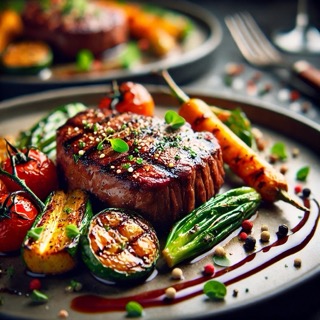
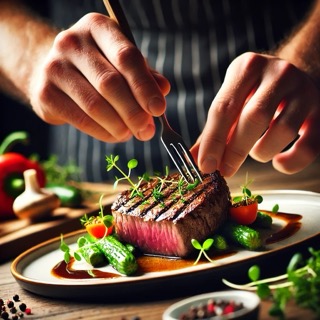
For example, the Maillard reaction occurs when proteins and sugars are subjected to heat, resulting in complex flavor compounds that are often described as savory or roasted. This reaction is responsible for the delicious crust on grilled meats and the golden color of baked bread.
Flavor Pairing: The Science Behind It
Food pairing relies heavily on the concept of shared flavor compounds. Ingredients that share similar volatile compounds tend to complement each other in terms of taste and aroma. This is where the science of flavor pairing becomes fascinating.
For instance, strawberries and basil make a popular pairing not just because they taste good together, but because they share certain aromatic compounds. Research has shown that by analyzing the chemical compositions of foods, we can predict which ingredients will pair well together.
Using Flavor Wheels
Flavor wheels are tools used by chefs and food scientists to visualize the relationships between different flavors. These wheels categorize flavors based on their characteristics and help identify potential pairings. For example, a flavor wheel may show that citrus fruits like lemon and lime pair well with herbs like mint and thyme due to their overlapping flavor profiles.
The Flavor Pairing Theory
In 2010, a groundbreaking study led by food scientist Dr. R. John O’Brien examined thousands of food combinations and their shared volatile compounds. The researchers created a database of flavor pairings based on the presence of these compounds, leading to the development of the flavor pairing theory.
This theory suggests that ingredients with similar chemical profiles will taste better together. The study revealed that unexpected pairings, such as chocolate and blue cheese or watermelon and feta, work because they share common flavor compounds, even if they seem unusual at first glance.
Cultural Influences on Flavor Pairing
While the science of flavor pairing provides a foundation, cultural influences also play a significant role in how we perceive and combine flavors. Different cuisines around the world have developed unique flavor profiles based on regional ingredients, climate, and cooking methods.
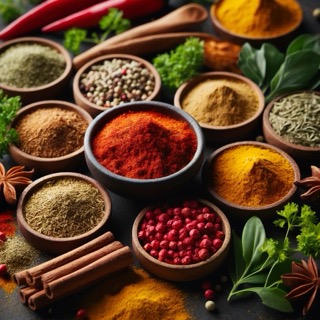
For example, the use of spices in Indian cuisine is a reflection of the country’s diverse agriculture and climatic conditions, while the use of fresh herbs in Mediterranean cooking highlights the importance of local produce. Understanding these cultural contexts can enhance our appreciation for the flavors and pairings that define a particular cuisine.
Experimenting with Flavor Pairing
For home cooks and culinary enthusiasts, experimenting with flavor pairing can be a fun and rewarding experience. Here are a few tips to get started:
- Start with familiar pairings: Begin by experimenting with classic combinations, such as tomato and basil or apple and cinnamon. These pairings have stood the test of time for a reason.
- Use a flavor wheel: Refer to a flavor wheel to discover new pairings that you may not have considered before. This can open up a world of possibilities in your cooking.
- Think outside the box: Don’t be afraid to try unconventional pairings. Combining sweet and savory flavors, such as bacon and maple syrup or strawberries and balsamic vinegar, can lead to surprising and delightful results.
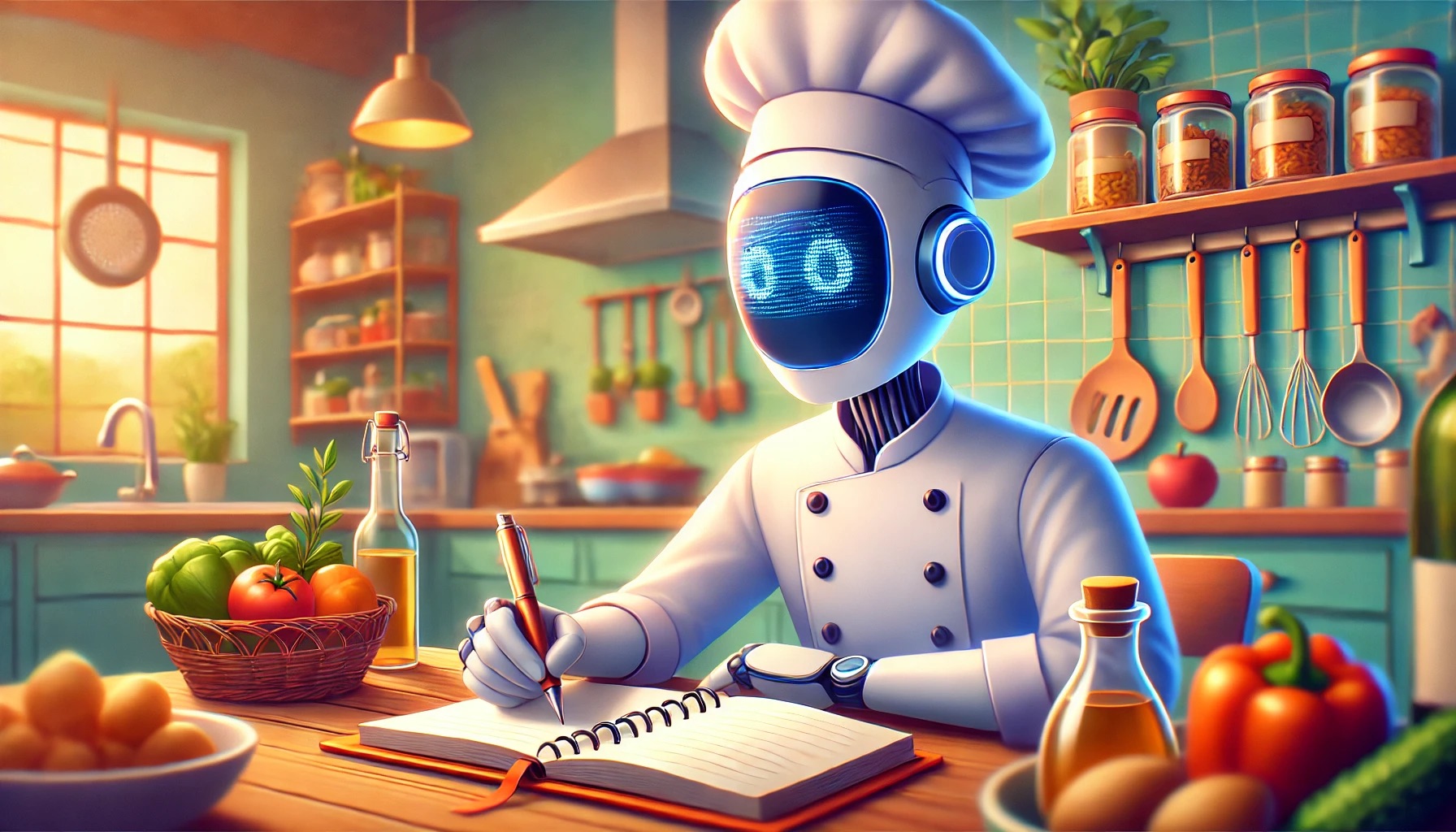
- Take notes: Keep a journal of your flavor experiments. Document what works, what doesn’t, and any unexpected discoveries you make along the way.
The Future of Flavor Pairing
As our understanding of flavor chemistry deepens, the future of flavor pairing is likely to evolve. Advances in technology, such as artificial intelligence and machine learning, are beginning to play a role in culinary innovation. Chefs and food scientists are using algorithms to analyze vast datasets of flavor compounds, leading to new and unique pairings that challenge traditional culinary boundaries.
Moreover, the growing interest in plant-based diets and sustainable cooking is prompting chefs to explore new ingredients and flavor combinations that may not have been previously considered. This exploration not only expands our palate but also encourages a deeper understanding of the food we consume.
Conclusion
The chemistry of flavor is a fascinating intersection of science, art, and culture. By understanding the scientific principles behind flavor pairing, we can elevate our cooking and enhance our dining experiences. Whether you are a seasoned chef or a novice cook, embracing the chemistry of flavor can lead to delicious discoveries and a greater appreciation for the food on our plates.