The art of cooking
AI CHEF Blog
Step-by-Step Guide to Beautiful Food Presentation

Food presentation is an art that can transform a simple dish into an extraordinary experience. Whether you are serving a casual meal at home or preparing for a special occasion, presenting your food beautifully can enhance enjoyment and appreciation. In this guide, we will explore techniques and tips for creating stunning food presentations that will impress your guests and elevate your culinary skills.
1. Understand the Importance of Food Presentation
Before diving into the techniques, it's essential to recognize why food presentation matters. A well-presented dish can:
- Enhance the Dining Experience: Visual appeal can stimulate appetite and increase satisfaction.
- Showcase Your Skills: Beautifully presented food reflects your dedication and culinary expertise.
- Encourage Healthier Eating: Attractive plates can motivate you and others to enjoy a balanced diet.
2. Gather Your Tools
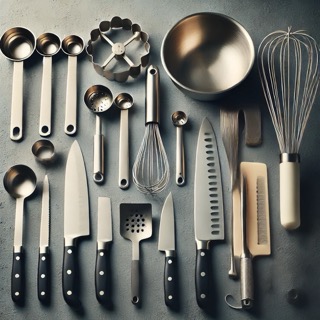
Having the right tools at your disposal can make a significant difference in food presentation. Here are some essentials:
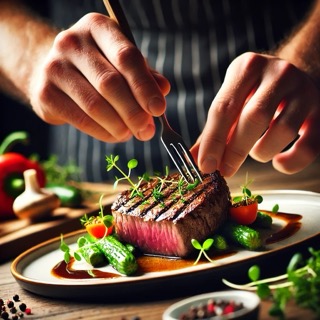
- Plating Tools: Use tweezers, squeeze bottles, and spatulas for precision.
- Quality Dinnerware: Invest in a variety of plates, bowls, and serving dishes in different sizes and shapes.
- Garnishing Tools: A good knife, zester, and peeler can help you create beautiful garnishes.
- Color Palette: Keep a selection of edible flowers, microgreens, and colorful ingredients to create visual interest.
3. Choose the Right Plate
The plate you use can dramatically impact your dish's presentation. Here are tips for choosing the right plate:
- Size Matters: A smaller plate can make portions look larger, while a larger plate can create a more spacious feel.
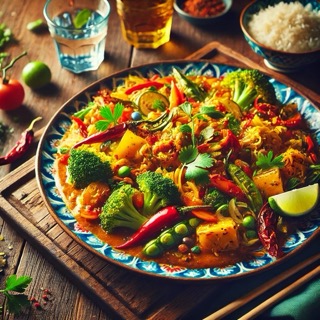
- Color Contrast: Use white plates for colorful dishes or darker plates for lighter foods to enhance contrast.
- Shape Variation: Experiment with round, square, and rectangular plates to add visual interest.
4. Balance the Composition
Creating a balanced composition is key to beautiful food presentation. Here are some strategies:
- Rule of Thirds: Divide your plate into thirds and place the main component along these lines for a harmonious look.
- Height Variation: Incorporate different heights in your presentation by stacking or leaning elements.
- Negative Space: Leave some empty space on the plate to prevent it from feeling cluttered.
5. Focus on Color and Texture
Color and texture can significantly enhance the visual appeal of your dish. Here’s how to utilize them:
- Color Palette: Use a mix of colors to create visual interest. Aim for complementary colors to make your dish pop.
- Texture Variety: Combine different textures (crunchy, creamy, smooth) to engage the senses.
- Fresh Ingredients: Use fresh herbs, edible flowers, or colorful vegetables to add vibrancy to your plate.
6. Master the Art of Garnishing
Garnishing is an essential part of food presentation. Here are some tips for effective garnishing:
- Be Minimalist: Less is often more; choose one or two garnishes that complement the dish.
- Edible Garnishes: Use herbs, citrus slices, or edible flowers that enhance flavor as well as appearance.
- Placement: Place garnishes strategically to enhance the dish without overwhelming it.
7. Experiment with Plating Techniques
Try different plating techniques to find what works best for your dish:
- Stacking: Layer ingredients for height and interest.
- Deconstruction: Serve ingredients separately on the plate for a modern twist.
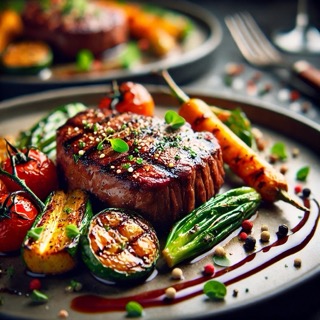
- Swirls and Dots: Use sauces or purees to create interesting patterns on the plate.
8. Pay Attention to Temperature
The temperature of your dish can affect its presentation. Here are tips to keep in mind:
- Serve Hot Foods Hot: Ensure that hot dishes are served immediately to maintain their temperature.
- Chill Cold Foods: Chill salads and desserts before serving to enhance freshness.
9. Practice Makes Perfect
Like any skill, food presentation improves with practice. Here are some ways to hone your skills:
- Experiment: Try different styles and techniques with various dishes.
- Learn from Professionals: Watch cooking shows or attend workshops focusing on food styling.
- Get Feedback: Ask friends and family for their opinions on your presentations.
10. Have Fun with It!
Food presentation should be enjoyable, not stressful. Allow your creativity to shine and don’t be afraid to take risks with your plating. Remember, the goal is to create a memorable experience for you and your guests.
Conclusion
Beautiful food presentation can elevate your meals and impress your guests. By following these steps and techniques, you can create visually stunning dishes that are as delightful to look at as they are to eat. So, gather your tools, experiment with colors and textures, and enjoy the art of food presentation!