The art of cooking
AI CHEF Blog
Harnessing the Power of Contrast in Food Presentation
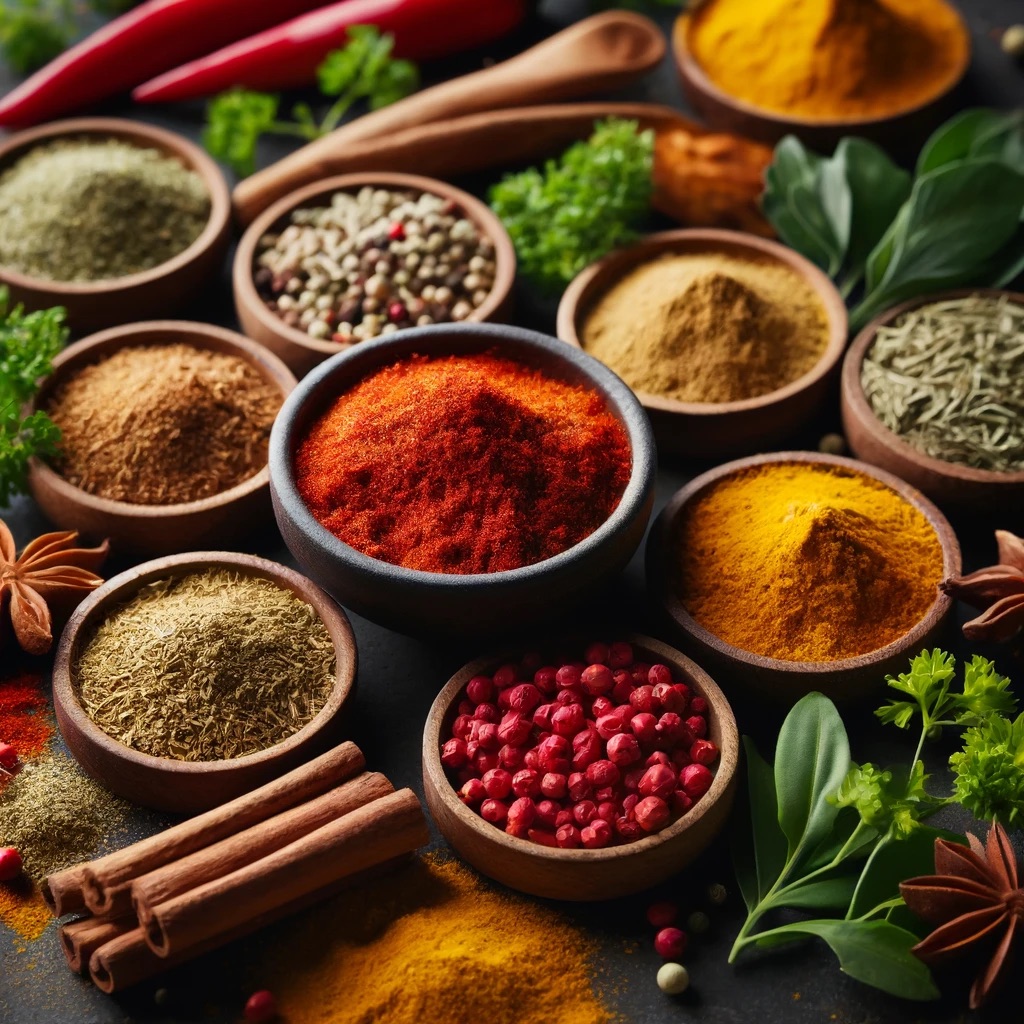
Food presentation is an art that goes beyond mere aesthetics; it plays a crucial role in enhancing the dining experience. One of the most effective techniques to elevate food presentation is the use of contrast. By understanding and employing contrast in color, texture, and shape, you can create visually stunning dishes that tantalize the senses and make meals memorable.
The Importance of Contrast
Contrast in food presentation can evoke emotions and stimulate appetites. It draws the eye and creates focal points that guide the diner’s experience. A dish that uses contrast effectively can turn an ordinary meal into a feast for the eyes. This is particularly important in a world where food photography and social media have made the visual appeal of food more significant than ever.
Types of Contrast to Consider
When it comes to food presentation, there are several types of contrast to consider, each playing a unique role in the overall aesthetic of the dish.
1. Color Contrast
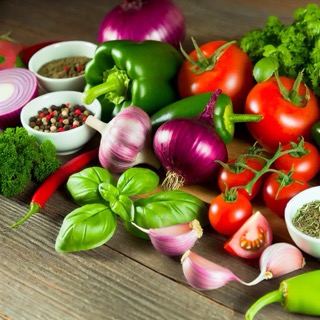
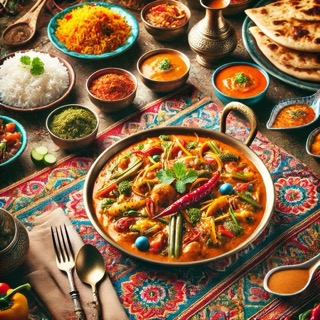
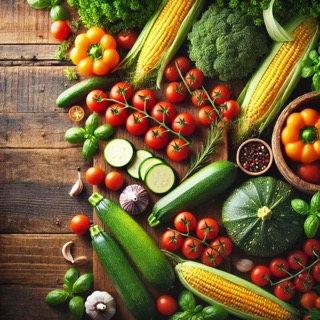
Color contrast is perhaps the most obvious form of contrast. Different colors can evoke different feelings and enhance the visual appeal of a dish. For instance, a vibrant green salad topped with bright red cherry tomatoes and golden corn creates a lively, appetizing appearance. The interplay of colors can also indicate flavor profiles; warm colors like red and orange may suggest spiciness or richness, while cool colors like green and blue can evoke freshness and lightness.
2. Texture Contrast
Texture contrast adds depth to food presentation. Combining different textures—such as crispy, creamy, crunchy, and smooth—can make a dish more interesting. For example, a creamy risotto topped with crispy fried onions introduces textural contrast that enhances the sensory experience. Similarly, incorporating garnishes like microgreens or edible flowers can provide a fresh, crisp element that contrasts with denser components.
3. Shape and Size Contrast
Contrast in shape and size can also enhance food presentation. Using various shapes and sizes can create visual interest and guide the eye. For example, a round plate with a square piece of grilled fish and a few elongated asparagus spears can create a dynamic visual composition. Additionally, using varying portion sizes—such as a small scoop of rich ice cream beside a large slice of cake—can create an engaging visual balance.
Techniques for Implementing Contrast
Once you understand the types of contrast, it's time to explore techniques for implementing them effectively.
1. Layering
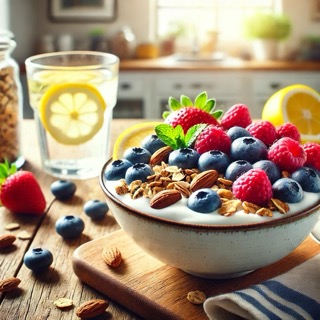
Layering is a powerful technique to showcase contrast. By stacking ingredients or arranging them in layers, you can create a visually appealing dish that highlights different colors, textures, and shapes. For example, a parfait with layers of yogurt, granola, and berries not only looks beautiful but also provides a delightful mix of flavors and textures in each bite.
2. Plating Techniques
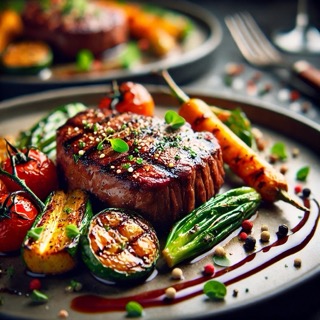
The way you plate food can greatly influence its visual impact. Using negative space—leaving areas of the plate empty—can make the main components stand out. Additionally, using different plate shapes and sizes can enhance contrast. For instance, a large white plate can make vibrant food colors pop, while a small, textured plate can add depth to simpler dishes.
3. Garnishing
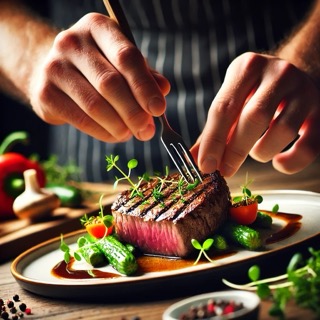
Garnishes are an excellent way to introduce contrast. Fresh herbs, edible flowers, citrus zest, or a drizzle of sauce can add color and texture while also enhancing the flavor profile of the dish. When using garnishes, consider their color and texture in relation to the main dish to maximize contrast.
Examples of Contrast in Food Presentation
To better illustrate the power of contrast in food presentation, let’s look at a few examples:
1. Caprese Salad
A classic Caprese salad showcases color contrast beautifully. The bright red tomatoes, white mozzarella, and vibrant green basil create a visually striking dish. Adding a drizzle of balsamic reduction not only enhances the flavor but also introduces an additional dark color element, further enhancing the overall contrast.
2. Chocolate Mousse
A rich chocolate mousse can be elevated through contrast by serving it in a clear glass. The dark chocolate contrasts with the white whipped cream on top, while a sprinkle of crushed nuts or a berry garnish adds both color and texture. This creates a visually appealing dessert that tempts the diner before they even take a bite.
3. Grilled Salmon
Grilled salmon served on a bed of vibrant green spinach and topped with bright orange slices of citrus can create a stunning visual contrast. The flaky, pink salmon contrasts beautifully with the deep greens and bright oranges, making the dish not only delicious but also visually appealing.
Final Thoughts
is an essential skill for anyone looking to create stunning dishes. By playing with color, texture, and shape, you can elevate your food from ordinary to extraordinary. Whether you’re a home cook or a professional chef, mastering these techniques will enhance the dining experience for everyone. Remember that the ultimate goal of food presentation is to create an appealing visual that complements the flavors, textures, and aromas of the dish, making every meal a feast for the senses.