The art of cooking
AI CHEF Blog
Plating Techniques for Appetizers: Small Bites, Big Impressions
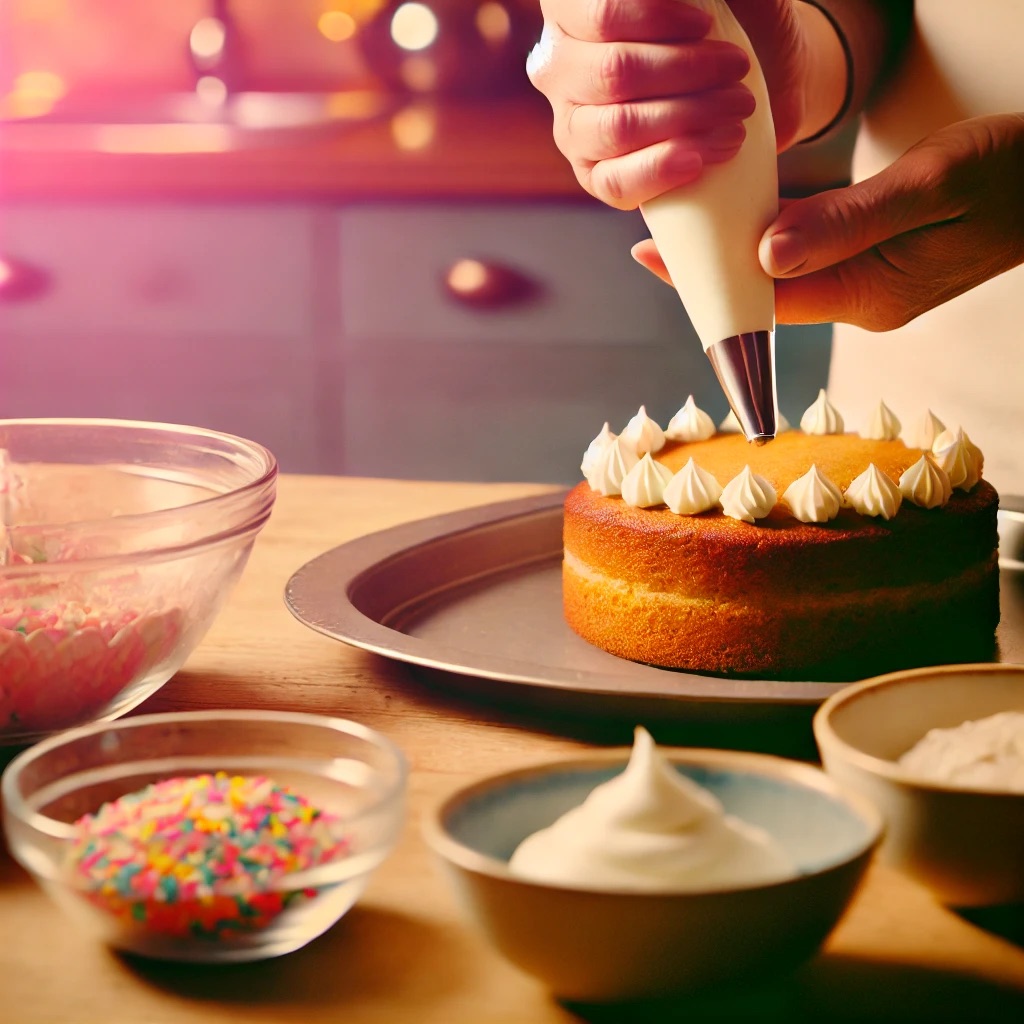
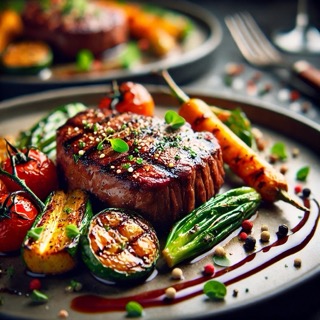
When it comes to appetizers, presentation is just as important as taste. The way you plate your small bites can make a significant impact on the overall dining experience. Whether you’re hosting a dinner party, catering an event, or simply trying to impress your family, mastering plating techniques can elevate your appetizers from ordinary to extraordinary. In this blog post, we will explore various plating techniques that will help you create visually stunning appetizers that leave a lasting impression.
The Importance of Plating
Plating is an art form that combines creativity with culinary skills. The way food is presented can enhance its appeal and influence a diner’s perception of flavor and quality. Research shows that people often judge food by its appearance before they even taste it. Beautifully plated dishes stimulate the appetite and can make even the simplest ingredients look gourmet. For appetizers, which are often the first impression of a meal, exceptional plating can set the tone for the entire dining experience.
Basic Principles of Plating
Before diving into specific techniques, it’s essential to understand some basic principles of plating:
- Balance: Achieving balance in plating involves distributing colors, shapes, and sizes evenly on the plate. This creates a harmonious look and makes the dish visually appealing.
- Contrast: Utilizing contrasting colors and textures can make your plating pop. For instance, pairing a creamy dip with crunchy vegetables can create visual interest.
- Focal Point: Every plate should have a focal point that draws the eye. This could be the main item on the plate or a striking garnish that adds flair.
- Negative Space: Don’t overcrowd the plate. Leaving some empty space allows the food to stand out and makes the presentation look cleaner.
Plating Techniques for Appetizers
1. Stacking
Stacking is a dynamic plating technique that adds height and drama to your appetizers. This technique works especially well with items like sliders, canapés, or mini sandwiches. To create a stack, layer your ingredients in a visually appealing way, ensuring stability. For example, you can stack a small burger patty, a slice of cheese, and a pickle on a skewer for a fun presentation. Stacking not only looks impressive but also encourages diners to take a bite out of the towering creation.
2. Deconstruction
Deconstructed dishes present the components of a recipe separately, allowing diners to appreciate each element's flavor and texture. For example, instead of traditional bruschetta, serve the toasted bread, tomatoes, basil, and mozzarella separately on the plate. This technique invites guests to assemble their bites and creates an interactive dining experience. Arrange the components thoughtfully, keeping balance and contrast in mind.
3. Molding
Molding techniques can create geometric and precise shapes that elevate the look of your appetizers. Use ring molds to create perfect rounds of tartare, quinoa salad, or even rice. Molding not only adds sophistication but also ensures consistent portion sizes. Once you remove the mold, you’ll have a stunning centerpiece for your plate. Enhance the presentation with a drizzle of sauce or a sprinkle of microgreens.
4. Saucers and Dips
Using saucers or small bowls for dips can add an elegant touch to your appetizer presentation. Instead of serving dips in a large bowl, portion them into small ramekins or cups placed strategically around the plate. This technique not only looks polished but also allows guests to easily access the dip without making a mess. Consider using colorful sauces or garnishes to enhance the visual appeal.
5. Garnishing
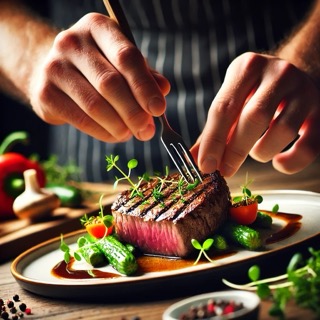
Garnishes are essential for adding color and flair to your appetizers. Fresh herbs, edible flowers, or microgreens can elevate even the simplest dishes. When garnishing, choose items that complement the flavors of your dish rather than overpower them. For example, a sprig of dill can beautifully enhance smoked salmon bites. Remember to keep garnishes small and purposeful, as they should enhance the dish without overwhelming it.
6. Color Blocking
Color blocking involves arranging food items in bold, contrasting colors to create a striking visual effect. This technique is particularly effective when serving a variety of appetizers on a single plate. For instance, place vibrant roasted red peppers next to creamy white hummus and bright green cucumber slices. This not only looks appealing but also highlights the diversity of flavors and textures on the plate.
7. Thematic Plating
Consider incorporating a theme into your plating to create a cohesive dining experience. For example, if you’re serving Mediterranean appetizers, you can use olive branches, feta cheese, and vibrant colors reminiscent of the region’s cuisine. Thematic plating can enhance the overall atmosphere of your gathering and make your appetizers feel more intentional.
Practical Tips for Plating Appetizers
- Use Quality Dinnerware: Invest in high-quality plates and serving dishes that complement your food. White plates are often the best choice for showcasing colorful appetizers.
- Practice Portion Control: Keep portions small, as appetizers should be bite-sized. This not only makes eating easier but also allows guests to sample a variety of dishes.
- Experiment with Heights: Don’t be afraid to play with different heights when plating. Use skewers, toothpicks, or stand items on their edge to create visual interest.
- Keep It Clean: Wipe the edges of your plates to remove any smudges or spills before serving. A clean plate enhances the overall presentation.
- Plan Ahead: Take some time to plan your plating before your event. Practice your arrangements to ensure a smooth presentation process on the day of your gathering.
Conclusion
Plating techniques can transform your appetizers from simple bites to extraordinary culinary experiences. By incorporating various styles and principles of presentation, you can create visually appealing dishes that delight your guests from the first glance. Remember, the goal is to create an inviting and exciting atmosphere that complements the flavors of your food. So get creative, experiment with different techniques, and enjoy the process of making small bites that leave a big impression!