The art of cooking
AI CHEF Blog

The Importance of Balance in Food Presentation: A Harmonious Plate
In the culinary world, food presentation is not just about aesthetics; it is an art that plays a crucial role in enhancing the overall dining experience. The way food is presented on a plate can influence a diner’s perception, appetite, and enjoyment of a meal. One of the key principles of effective food presentation is balance. In this blog post, we will explore the significance of balance in food presentation and how it contributes to creating a harmonious plate.
Understanding Balance in Food Presentation
Balance in food presentation refers to the visual weight of the elements on the plate. Just as balance is important in design, where various elements must work together to create a cohesive look, the same principle applies to plating food. Balance encompasses several factors, including color, shape, texture, and portion sizes.
1. Color Balance
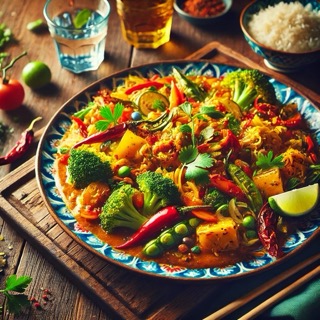
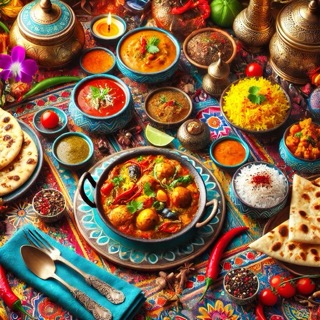
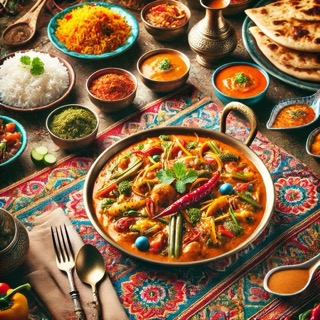
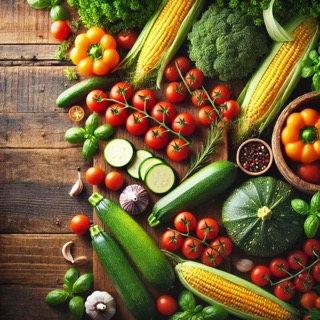
Color is one of the first things a diner notices when a dish is served. A plate that features a variety of colors is not only more visually appealing but also suggests a range of flavors and nutrients. For instance, combining vibrant greens, rich reds, and bright yellows can create an attractive contrast that draws the eye. On the other hand, a dish dominated by a single color may seem unappetizing and monotonous.
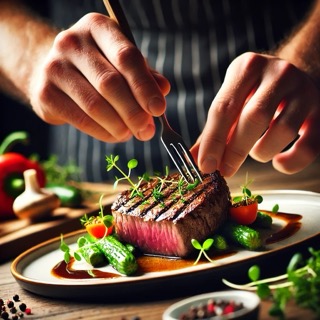
To achieve color balance, consider using complementary colors on the plate. For example, a grilled chicken breast can be accompanied by a side of roasted red peppers and a green salad. The interplay of colors not only enhances the visual appeal but also elevates the overall dining experience.
2. Shape and Arrangement
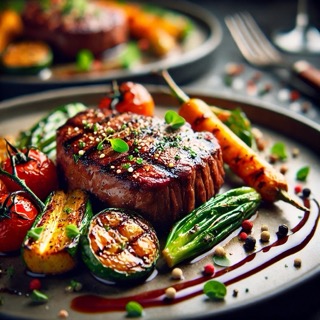
The shapes of the food items on the plate contribute to its balance. Different shapes can create interest and visual dynamics. For instance, a round scoop of mashed potatoes pairs well with the linear shape of grilled asparagus. Plating food in varying heights can also add dimension to the presentation. A stack of ingredients creates a focal point, while spreads or sauces can provide a contrasting base.
When arranging food on the plate, consider the rule of thirds, a principle borrowed from photography. Dividing the plate into three equal sections can help create a balanced look that feels intentional. Placing the main component in one section, with sides and garnishes in the other two, guides the diner’s eye and creates a harmonious presentation.
3. Texture Variety
Texture plays a significant role in food presentation as well. A harmonious plate often includes a variety of textures that create interest and complexity. For example, pairing a creamy sauce with crisp vegetables or a crunchy topping can enhance the sensory experience. The contrast between soft and hard textures not only adds depth to the dish but also encourages diners to explore the flavors more thoroughly.
When considering texture, think about how to incorporate elements like smooth purées, crunchy garnishes, and tender proteins. This variety will not only keep the plate visually appealing but also provide a more satisfying mouthfeel during the meal.
4. Portion Sizes
Portion sizes are another crucial aspect of achieving balance on a plate. A well-balanced plate contains portions that complement each other without overwhelming the diner. Overloading a plate can lead to a chaotic visual appearance and may even deter diners from enjoying their meal. On the flip side, underwhelming portions can leave diners feeling unsatisfied.
To create balance with portion sizes, consider the overall composition of the meal. A protein should generally take up a larger portion of the plate, while sides and garnishes can be smaller. This approach ensures that the main element is the focal point while still allowing for a variety of flavors and textures to shine.
The Psychological Impact of a Harmonious Plate
Beyond the visual appeal, balance in food presentation has psychological implications as well. A beautifully presented dish can entice diners, making them more likely to savor each bite. Studies have shown that the way food is presented can influence our perception of taste. A well-balanced plate can enhance expectations and elevate the overall dining experience.
Moreover, the act of eating is not just a physical experience; it is also an emotional one. A thoughtfully arranged plate can evoke feelings of joy and satisfaction, enhancing the overall enjoyment of the meal. On the other hand, a poorly presented dish may lead to disappointment, regardless of how delicious the food may be.
Creating Your Own Harmonious Plates
As home cooks or aspiring chefs, it is essential to incorporate the principles of balance in our food presentations. Here are some tips to help you create harmonious plates in your kitchen:
- Plan Your Plate: Before you start cooking, think about the colors, shapes, and textures you want to include. Visualize how they will come together on the plate.
- Use a Variety of Ingredients: Incorporate different ingredients that offer contrasting colors and textures. This variety will enhance both the visual appeal and flavor profile of the dish.
- Experiment with Plating Techniques: Don’t be afraid to try different plating techniques. Use molds, rings, or layering to create height and dimension on the plate.
- Practice Portion Control: Be mindful of portion sizes to ensure that each element on the plate has its place without overcrowding.
- Garnish Thoughtfully: Use garnishes sparingly to enhance the dish without overwhelming it. A sprinkle of herbs, a drizzle of sauce, or a few microgreens can elevate the presentation.
Conclusion
In conclusion, the importance of balance in food presentation cannot be overstated. A harmonious plate not only captivates the eye but also enhances the overall dining experience. By considering factors such as color, shape, texture, and portion sizes, we can create dishes that are not only delicious but also visually stunning. Whether you are a professional chef or a home cook, embracing the principles of balance will elevate your culinary creations to new heights. So, the next time you plate a dish, take a moment to appreciate the art of balance and the joy it brings to the dining table.