The art of cooking
AI CHEF Blog

Cooking with Color: Nutrient-Dense Ingredients for Vibrant Meals

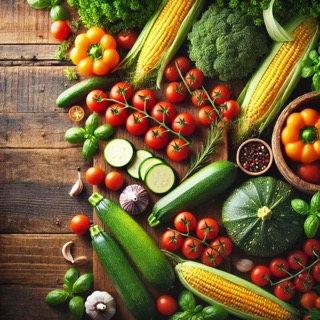
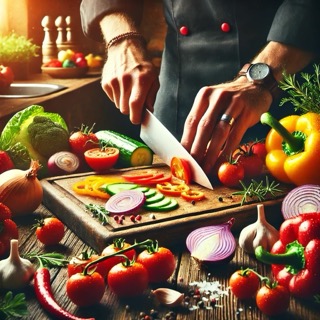
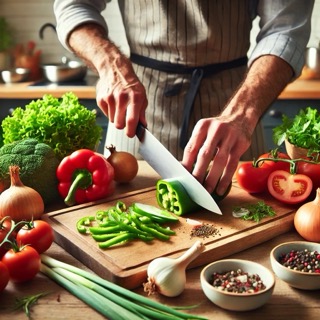
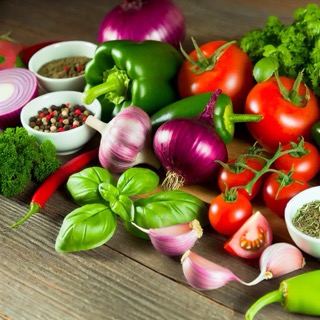
When it comes to cooking, one of the most delightful aspects is the vibrant array of colors that can be found in nature's pantry. The hues of fruits, vegetables, grains, and spices not only make meals visually appealing but also indicate the nutritional benefits that various ingredients offer. In this article, we'll explore the importance of cooking with color, delve into nutrient-dense ingredients, and provide you with ideas for crafting vibrant, health-packed meals.
The Importance of Color in Our Diet
Eating a variety of colors in your meals is not just about aesthetics; it’s a fundamental aspect of a balanced diet. Each color group is associated with specific nutrients and health benefits:
- Red: Tomatoes, red peppers, strawberries, and cherries are rich in antioxidants like lycopene and anthocyanins, which can promote heart health and reduce inflammation.
- Orange and Yellow: Foods like carrots, sweet potatoes, and oranges are packed with beta-carotene and vitamin C, supporting vision health and immune function.
- Green: Leafy greens such as spinach, kale, and broccoli are nutrient powerhouses, offering vitamins A, C, K, and a plethora of minerals and fiber.
- Blue and Purple: Blueberries, eggplants, and purple cabbage provide anthocyanins, which are known for their anti-aging properties and may help improve brain health.
- White and Brown: Garlic, onions, and mushrooms may not be as colorful, but they contain essential nutrients and compounds that support heart health and immune function.
By incorporating a rainbow of colors into your meals, you can ensure that you are getting a wide variety of vitamins, minerals, and antioxidants that contribute to overall health.
Nutrient-Dense Ingredients to Consider
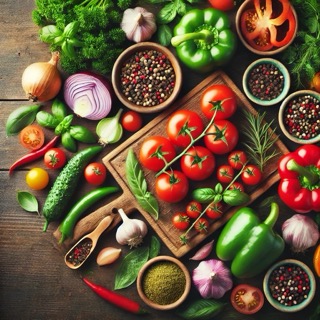
Here are some nutrient-dense ingredients from each color category that you can easily incorporate into your cooking:
Red
- Tomatoes: Versatile and delicious, tomatoes can be used in salads, sauces, soups, and more. They are particularly rich in lycopene, which has been linked to a reduced risk of certain cancers.
- Red Bell Peppers: Sweet and crunchy, red bell peppers are loaded with vitamin C and antioxidants. Try adding them to stir-fries, salads, or as a colorful addition to any dish.
Orange and Yellow
- Sweet Potatoes: A nutritious alternative to white potatoes, they are high in beta-carotene and fiber. Bake or mash them, or slice them into fries for a tasty side.
- Carrots: Raw, steamed, or roasted, carrots are a great source of vitamins and minerals. They can be added to salads, soups, or enjoyed as a snack with hummus.
Green
- Spinach: This leafy green is a nutritional powerhouse, rich in iron, calcium, and vitamins A and K. Use it in salads, smoothies, or sautéed as a side dish.
- Broccoli: High in vitamins C and K, fiber, and a variety of phytonutrients, broccoli is a versatile vegetable. Steam it, roast it, or add it to stir-fry for added crunch and nutrition.
Blue and Purple
- Blueberries: These tiny berries are packed with antioxidants and are great in smoothies, yogurts, and desserts. They can also be enjoyed fresh as a snack.
- Eggplant: This unique vegetable is high in fiber and low in calories. Try grilling, roasting, or incorporating it into curries and stews.
White and Brown
- Garlic: Known for its health benefits, garlic adds flavor and can help boost the immune system. Use it in marinades, dressings, or roasted with vegetables.
- Mushrooms: Low in calories and rich in B vitamins, mushrooms can enhance the flavor of soups, risottos, and stir-fries.
Tips for Cooking with Color
-
Plan Your Meals: When planning your weekly meals, aim to incorporate ingredients from all color groups. This not only enhances the visual appeal but also ensures a diverse nutrient intake.
-
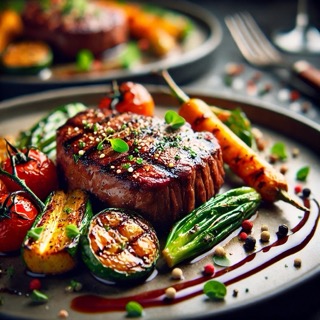
Experiment with Cooking Methods: Different cooking methods can bring out different flavors and textures. Roasting can caramelize the natural sugars in vegetables, while steaming preserves nutrients and color.
-
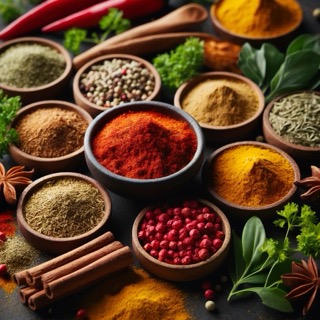
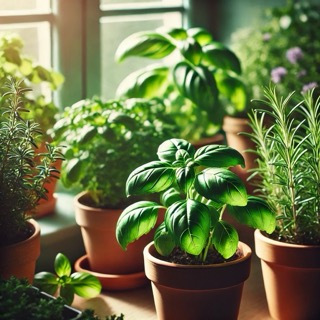
Use Herbs and Spices: Fresh herbs like basil, cilantro, and parsley can add pops of green and enhance the flavors of your dishes. Spices such as turmeric and paprika not only add color but also pack a nutritional punch.
-
Create Colorful Salads: Salads are a perfect way to showcase a variety of colors. Combine leafy greens, colorful veggies, nuts, seeds, and a vibrant dressing to create a nutrient-dense meal.
-
Incorporate Whole Grains: Quinoa, brown rice, and farro can add a hearty base to your colorful meals. They provide additional fiber and nutrients, complementing the vibrant vegetables.
Sample Colorful Recipes
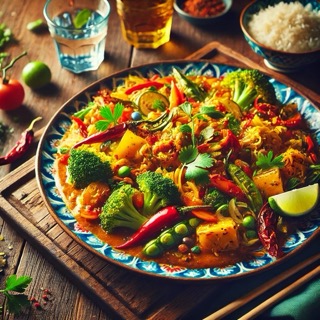
Rainbow Stir-Fry
Ingredients:
- 1 cup red bell pepper, sliced
- 1 cup broccoli florets
- 1 cup carrots, julienned
- 1 cup snap peas
- 1 cup purple cabbage, shredded
- 2 cloves garlic, minced
- 2 tablespoons soy sauce or tamari
- 1 tablespoon olive oil
Instructions:
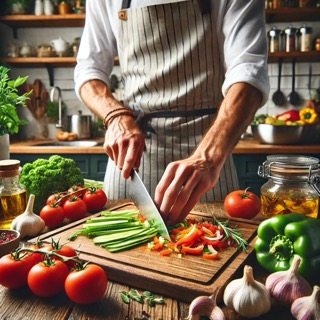
- Heat olive oil in a large pan over medium heat. Add garlic and sauté until fragrant.
- Add the red bell pepper, broccoli, carrots, and snap peas. Stir-fry for 5-7 minutes until tender-crisp.
- Add purple cabbage and soy sauce, stirring to combine. Cook for an additional 2 minutes.
- Serve hot over brown rice or quinoa for a complete meal.
Berry Smoothie Bowl
Ingredients:
- 1 cup frozen blueberries
- 1 banana
- 1 cup spinach
- 1 cup almond milk
- Toppings: sliced fruits, granola, chia seeds, and nuts
Instructions:
- In a blender, combine blueberries, banana, spinach, and almond milk. Blend until smooth.
- Pour into a bowl and top with your choice of sliced fruits, granola, chia seeds, and nuts for added texture and nutrition.
Conclusion
Cooking with color not only makes your meals more appealing but also enriches them with essential nutrients. By incorporating a variety of colorful, nutrient-dense ingredients into your cooking, you can enhance both the flavor and healthfulness of your meals. So, the next time you're in the kitchen, remember to embrace the vibrant colors of nature and enjoy the many health benefits they bring. Happy cooking!