The art of cooking
AI CHEF Blog

The Art of Plating: Presenting Your Grilled Dishes
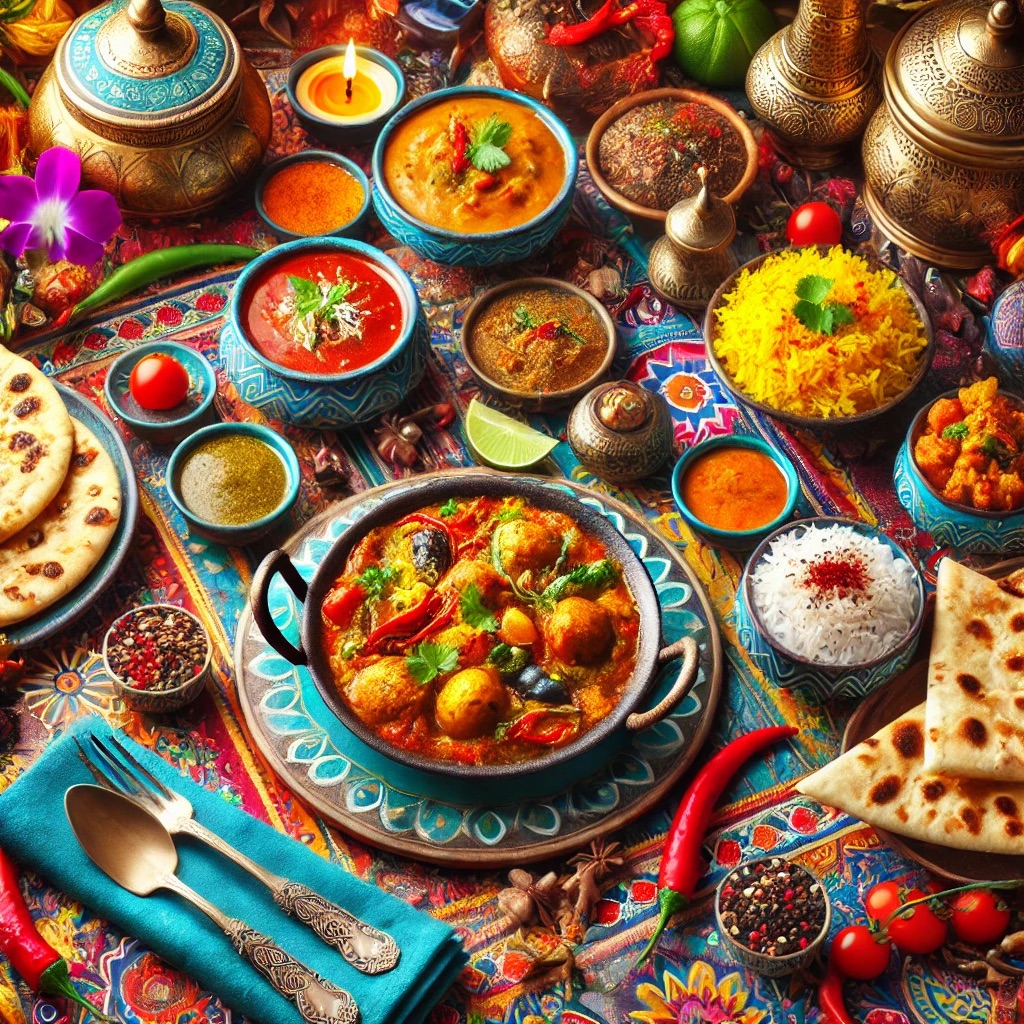
Grilling is more than just a cooking technique; it’s an art form. The sizzle of meat on the grill, the aroma of spices wafting through the air, and the tantalizing flavors that emerge are all part of the grilling experience. But what happens after the grill? How do you take your deliciously grilled creations and elevate them to a visual feast? This is where the art of plating comes into play.
Why Plating Matters
Plating is the presentation of food in a visually appealing manner. It enhances the dining experience by making a dish look as good as it tastes. When it comes to grilled dishes, proper plating can highlight the smoky flavors, juicy textures, and vibrant colors of the ingredients. A well-plated dish not only impresses your guests but also enhances their anticipation and enjoyment of the meal.
Understanding the Basics of Plating
Before diving into specific techniques for plating grilled dishes, it's essential to understand some basic principles:
- Balance: A well-plated dish should have a balance of colors, shapes, and textures. Consider incorporating a variety of ingredients, such as grilled vegetables, sauces, and garnishes to create visual interest.
- Focal Point: Every plate should have a focal point. This could be the main protein or a striking garnish. The goal is to draw the diner’s eye to the centerpiece of the dish.
- Negative Space: Don’t be afraid of empty space on the plate. Negative space helps to emphasize the food and creates a more sophisticated presentation.
- Height: Adding height to your plating can make a dish look more dynamic. Stack grilled items or use a ring mold to create layers.
Tools of the Trade
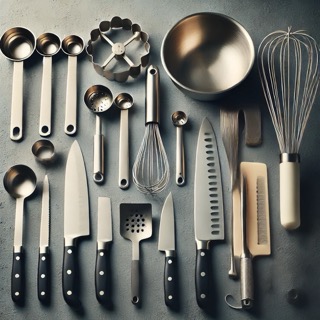
Having the right tools can make a significant difference in the plating process. Here are some essentials:
- Plating Rings: These can help create uniform shapes and layers when stacking ingredients.
- Squeeze Bottles: Perfect for drizzling sauces or purees in artistic patterns.
- Tweezers: Ideal for placing small garnishes with precision.
- Offset Spatula: Useful for spreading sauces or purees smoothly on the plate.
- Sharp Knife: Essential for cutting garnishes or components into attractive shapes.
Techniques for Plating Grilled Dishes
Now let’s explore some techniques specifically tailored for grilled dishes:
1. Layering Ingredients
Start by placing your grilled protein as the base of the dish. You can layer grilled vegetables or starches (like grilled polenta or potatoes) on top or beside it. This creates depth and visual appeal.
2. Adding Sauces
Use sauces to enhance both flavor and presentation. A vibrant chimichurri, a rich barbecue sauce, or a tangy yogurt sauce can be drizzled around the plate or artistically swirled on top of the protein. Squeeze bottles can help create beautiful designs.
3. Incorporate Colors
Grilled dishes often feature rich, warm colors. To create contrast, incorporate brightly colored elements like fresh herbs, microgreens, or edible flowers. These not only add color but also a fresh flavor profile to the dish.
4. Use Textures
Mixing textures can make a dish more interesting. Pair the smokiness of grilled meats with crunchy elements like toasted nuts or crispy onions. This contrast will enhance the overall eating experience.
5. Garnishing
Garnishes should complement the dish without overwhelming it. Fresh herbs, citrus zest, or even a sprinkle of smoked salt can enhance the flavors while adding visual interest.
Plating Examples for Different Grilled Dishes
Let’s look at some specific examples:
Grilled Steak
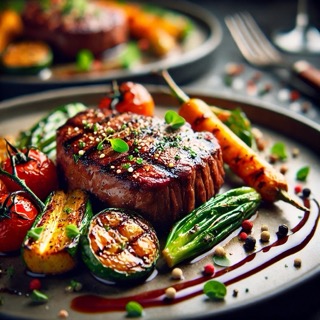
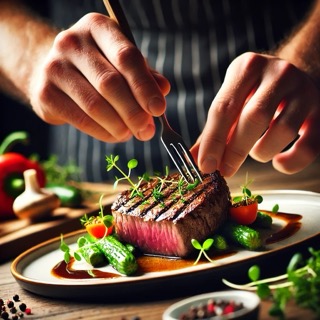
For a grilled steak, slice it against the grain and fan the slices out on the plate. Add a dollop of chimichurri on top or drizzle the plate with a balsamic reduction. Surround the steak with grilled asparagus and roasted cherry tomatoes for color and flavor.
Grilled Salmon
Place the salmon fillet at a slight angle on the plate. Create a bed of wilted spinach or a vibrant salad beside it. Drizzle with a lemon-dill sauce and garnish with lemon zest and fresh dill.
Grilled Vegetables
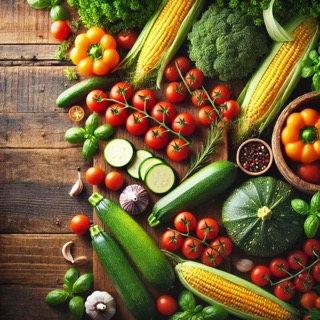
For a vegetable medley, stack the vegetables in a tower or create a colorful rainbow on the plate. Use a balsamic glaze to create a contrast between the charred vegetables and the plate. Finish with a sprinkle of feta cheese or a handful of microgreens.
Final Touches and Presentation
Once you’ve plated your dish, step back and evaluate it. Look for any areas that may need adjustments, such as smudges or uneven placements. Use a clean cloth to wipe the edges of the plate, ensuring a polished look.
Conclusion
The art of plating is about more than just aesthetics; it’s about enhancing the entire dining experience. By taking the time to present your grilled dishes thoughtfully, you not only celebrate the flavors and textures but also create a memorable moment for your guests. So the next time you fire up the grill, remember that how you present your food can be just as important as how you prepare it. Happy grilling and happy plating!